Graduate Fellows
Abby Taylor
My name is Abby Robb Taylor. I am going into my 4th year of PhD studies in Nuclear and Radiological Engineering at the Georgia Institute of Technology (GT) under Dr. Steven Biegalski. I am also a fellow of the Consortium for Enabling Technologies and Innovation (ETI 2.0). I spent this summer at Oak Ridge National Laboratory (ORNL) working with Dr. Ken Dayman and Dr. Jordan Stomps in the Data Science and Engineering for Nonproliferation Group to expand my research into generating simulated gamma ray spectroscopy.
My research focuses on Machine Learning (ML) for gamma ray spectroscopy, specifically for fission product samples. Our goal is to use ML for the rapid differentiation of uranium and plutonium fission product spectra to support attribution in the event of a nuclear detonation. Prior to coming to ORNL, my research focused exclusively on experimental gamma spectra collection. This included irradiating plant and soil samples with thermal neutrons and irradiating uranium and plutonium samples with fast neutrons from the GODIVA IV Reactor. This experimental data helps us understand how to set up a ML pipeline to classify between sample types for a small dataset; but to better understand what might happen in the event of a nuclear detonation, we needed to build a larger simulated dataset. Working at ORNL allowed me to utilize tools such as the Defense Land Fallout Interpretative Code (DELFIC) and the Gamma Detector Response and Analysis Software (GADRAS) to simulate over 100,000 gamma spectra in the fallout field of a nuclear detonation with various detector resolutions, sample detector distances, hours post- detonation, and source to detector distances across 20 different positions.
In addition to my PhD research, I have also been working on a project using the CURIES dataset of uranyl mineral Raman spectra to provide physics informed data augmentations on sparsely populated sample types. These augmentations include adding different noise sources, adding fluorescent baseline, calibration drift and peak broadening, as well as samples orientation and contamination changes. Expanding the dataset to include spectra with these variations allows for training a more robust ML pipeline.
I feel very grateful to be an ORNL intern representing the ETI 2.0 Consortium. Thank you to the research staff and interns at ORNL who helped me progress in my project this summer. Without the collaboration of ORNL in my PhD research, I would not have been able to interact daily with experts in the field of data science for nuclear nonproliferation. Being able to form those personal connections will allow me to have continued collaboration and communication with ORNL researchers as I continue the path of pursuing my PhD.
James Krec
My name is James Krec. I am a third-year PhD student in Nuclear Engineering at North Carolina State University (NCSU). I am also a fellow of the Consortium for Nuclear Forensics (CNF) sponsored by the National Nuclear Security Administration (NNSA) Office of Defense Nuclear Nonprolieration (DNN).
My research involves working with Oak Ridge National Laboratory to: (1) quantify the impact of nuclear data uncertainties on predictions of fallout composition; (2) identify combinations of fission products useful for characterization of fissile material and neutron spectrum; and (3) help prioritize future experiments to measure fission products’ fission yields and half-lives.
Even with large independent yield uncertainties (~64%), many combinations of fission products were identified to classify explosive type. The initial successful classification efforts used machine learning techniques such as binary decision trees. Efforts have since been expanded to include fission products from light, medium, and heavy mass categories. From this, we have also developed reduced order and surrogate modeling trained on Defense Land Fallout Interpretive Code (DELFIC) simulations to predict fallout compositions with lowered computational expense. Surrogate modeling enables the propagation of FP uncertainties onto fallout composition to evaluate mixtures of different explosive types (Pu-239 + U-235 for example).
This summer I interned at ORNL under the mentorship of Dr. David Hooper. Together we investigated how multi-fidelity modeling could be used to increase the fidelity of the DELFIC code by incorporating particle size distributions of first principles microphysics codes. The microphysics code we investigated was Nuclear Applications Microphysics (NAM). Our goal was to investigate the NAM code and determine if we can use NAM’s predictions to increase the accuracy of DELFIC while preserving its computational cost. Being able to work directly with first principles codes provided me a fundamental understanding of computational modeling, namely some of the many challenges that go into writing codes as well as fundamental data-based limitations. As the result of my work this summer, I was able to apply the first principles microphysics code to develop particle size distributions of early fallout generated from a nuclear explosion for various matrix compositions, validate the microphysics code relative inventory with DELFIC’s predictions, and use automation to propagate NAM’s particle size distributions directly onto DELFIC’s predictions of fallout composition.
I am very grateful to CNF and the research staff at ORNL for making this internship possible and for it being such a rewarding experience. I was able to collaborate with experts in computational modeling and nuclear engineering who provided a wealth of information to help make this internship successful. I also was able to network with individuals directly writing these computational codes which provided significant fundamental understanding of the codebase. From this I was even able to provide them with recommended code changes. I am confident my experiences this summer had a positive impact on my PhD research and dissertation. I highly recommend an internship at ORNL to anyone curious about a career in a national laboratory.
Dehlia Lang
My name is Dehlia Lang. I have just completed my first year for a PhD in Analytical Chemistry at Clemson University. I am a member of the Consortium for Nuclear Forensics (CNF).
During summer 2025, I participated in an internship at Oak Ridge National Laboratory (ORNL) working with multiple mentors in two different research labs. My primary mentor was Dr. Alicia Fessler, a senior nonproliferation chemist in the Materials and Chemistry Group in the Nuclear Nonproliferation Division. Under Dr. Fessler and two postdoctoral research fellows (Avery Wood and Dan Felton), I performed measurements using Raman Spectroscopy on samples related to the uranium fuel cycle and which had relevance to nuclear forensics. This work was intended to support the development of the Uranium Sciences and Technology Center at ORNL.
I was also mentored by Dr. Ben Manard, the group leader for the Chemical and Isotopic Mass Spectrometry Group in the Chemical Sciences Division. Under Dr. Manard and two postdoctoral research fellows (Jordan Stanberry and Sarah Szakas), I conducted research at the Ultra Trace Forensic Science Center using inductively coupled plasma triple quadrupole mass spectrometry (ICP-TQMS) to develop and optimize a detection method for the analysis of barium fluoride (BaF+). With this method we added the use of microextraction to collect spectra of uranium tetrafluoride (UF4) and uranyl fluoride (UO2F2) particles from cotton swipes commonly used by the International Atomic Energy Agency (IAEA).
Through this internship at ORNL, I gained experience in using Raman Spectroscopy and troubleshooting problems with this instrument. I also gained more experience with mass spectrometry of samples with interferences by learning new ways to utilize mass filters and collision gases to create higher signal-to-noise ratios. Additionally, I gained experience using microextraction techniques as well as experience performing particle analysis using mass spectrometry.
I am extremely thankful to CNF for providing me with the opportunity to participate in this internship and to the staff at ORNL for making my time informative and enjoyable. Getting to do research beside some of the nation’s best scientists has been an experience that I will always be grateful for. The skills and knowledge I obtained during my internship will be extremely beneficial for my dissertation work. I highly recommend participating in an internship at ORNL where I hope to potentially return in the future.
Madison Ell
My name is Madison Ell. I am a second-year Statistics PhD student at Texas A&M University (TAMU). I am also a fellow of the DNN TecH Consortium.
My research interests include spatial and spatiotemporal statistics, uncertainty quantification, and the use of statistical methods to answer scientific questions in complex physical systems. I am especially interested in research that connects rigorous statistical modeling with applications in nuclear security, environmental science, and national-laboratory missions.
This summer, I interned at Oak Ridge National Laboratory (ORNL) under the mentorship of Caleb Redding in the Incident Modeling and Computational Sciences Group. My project examined how well simulated nuclear-fallout fields could be reconstructed when only a limited number of measurements were available. I developed a reproducible Monte Carlo workflow to compare multiple spatial sampling strategies and evaluate how accurately each strategy recovered the broader spatial pattern. The objective was not simply to find the method with the smallest error, but to understand which approaches remained reliable when measurements were sparse and field conditions varied.
The internship gave me the opportunity to combine spatial statistics, scientific computing, and nuclear engineering in a single research problem. I learned how to translate a broad operational question into a systematic statistical study, work efficiently with large scientific datasets, diagnose unexpected results, and communicate the practical meaning of uncertainty. Regular conversations with my mentor were particularly valuable because they helped me interpret statistical performance within the physical context of the problem rather than treating the analysis as an isolated modeling exercise. By the end of the summer, the project had: 1) produced a framework for comparing sampling and reconstruction strategies; 2) identified promising approaches for obtaining reliable spatial information from fewer measurements; and 3) suggested future research directions involving radionuclide variability and efficient field sampling.
I am extremely grateful to the DNN TecH Consortium, ORNL, and my mentor for making this internship possible. The experience strengthened my technical skills, expanded my ability to collaborate across disciplines, and gave me a clearer understanding of how statisticians can contribute to consequential national-security research. It also reinforced my interest in spatial statistics for nuclear-security applications and created a strong foundation for continued collaboration. I would highly recommend an ORNL internship to graduate students who want to apply quantitative methods to important scientific problems while learning from researchers at a national laboratory.
Riana Guha
My name is Riana Guha. I am finishing the second year of my Ph.D. in Statistics at Texas A&M University. I am also a fellow of the DNN TecH Consortium.
My research interests center on applying statistical and computational methods to complex nuclear engineering problems. In particular, I am interested in uncertainty quantification, predictive modeling, sensitivity analysis, and decision-making methods that can help researchers interpret high-dimensional simulation data and compare alternative reactor designs.
This summer, I was working with the PRO-AR&FC (Proliferation Resistance Optimization – Advanced Reactors & Fuel Cycles) project at Oak Ridge National Laboratory. I developed a computational pipeline for analyzing percent change in proliferation resistance (PCPR) data for a pincell model of a lightwater reactor. The pipeline prepares and evaluates the observed data, ranks candidate reactor designs using a preference-based utility function, and fits response-specific surrogate models. Cross-validation is used to assess how accurately these models predict unseen observations. The final surrogate models are then fitted using all available observations and used to calculate total-order Sobol indices, which identify the design inputs that have the greatest influence on each PCPR attribute, including their interaction effects. I also developed visualizations and an interactive dashboard to make the results easier to interpret and communicate.
Through this experience, I gained practical knowledge of surrogate modeling, model validation, global sensitivity analysis, utility-based design ranking, and scientific software development. I also learned the importance of building a transparent and reproducible analysis pipeline that can be reviewed, modified, and used by researchers with different technical backgrounds. Working closely with my mentor helped me better understand how statistical methods can support engineering decisions and how analytical results should be communicated to domain experts.
I am extremely grateful to the DNN TecH Consortium and everyone who supported this experience. The internship allowed me to apply my statistical training to a meaningful nuclear engineering problem while developing skills that will contribute to my doctoral research and future career. Overall, I greatly enjoyed the experience and would recommend a similar internship to anyone interested in applying statistics and data science within the nuclear energy field.
Seokchan (Leo) Oh
My name is Leo Oh. I am currently in my second year of pursuing a PhD in Statistics at Texas A&M University. I am a fellow in the DNN’s Enabling Capabilities in Technology (TecH) Consortium.
The main goal of my summer internship at Oak Ridge National Laboratory (ORNL) was to develop a framework for nuclear data cross section uncertainty quantification that is computationally efficient. Currently, the state-of-the-art method is obtaining sensitivity coefficients utilizing adjoint methods. Then, we would utilize the sandwich formula to calculate the uncertainty budget. Theoretically, the adjoint method would only require one forward run of Monte Carlo simulation, such as OpenMC, but the adjoint method is not yet generalizable to many problems. Thus, we often must rely on one at a time total Monte Carlo methods which require a significant amount of computation. Motivated by these limitations, we have developed a surrogate model that could be utilized in various sensitivity analysis frameworks for low computational cost.
Working from ground up, my mentor (Dr. Jin Whan Bae, ORNL’s Nuclear Energy Fuel Cycle Division) and I simulated our own input data that would be utilized to fit our surrogate model. This would be the only batch of OpenMC runs necessary under this framework. We then realized that our input space was too large, meaning we would need to generate a lot of data, so we looked for a method to reduce the dimensions of our input. For this effort we relied on Karhunen Loeve reduction method and successfully truncated the input dimension while maintaining the interpretability for our sandwich method. We compared our results with some existing works from TSUNAMI and confirmed that the total uncertainties aligned well. However, we also were made aware of limitations when it came to breaking uncertainties down into components. The dimension reduction method was truncating too much and was disregarding important information in certain nuclide-reactions’ cross sections. Nevertheless, this has opened doors for potential future collaborations.
I am grateful that I had the opportunity to work with Jin Whan and learn about utilizing Statistics in the domain of Nuclear Nonproliferation. During the internship, I was also able to participate in DNN TecH’s AI Summer School where I learned various machine learning methods that were being utilized in Nuclear Safeguards applications. These experiences would not have been possible without the support of the DNN TecH Consortium and ORNL.
Ben Passyn
My name is Ben Passyn, a rising 2nd year PhD student at Virginia Tech studying nuclear engineering. I am a DNN TecH Fellow interning at Oak Ridge National Lab the Summer of 2026.
I am a graduate researcher with the Virginia Tech Nuclear Materials and Fuel Cycle (VTNMFC) group. My research being funded by the DNN TecH consortium involves both experimental and computational work meant to contribute to molten salt reactor (MSR) development. The first portion of my graduate studies have so far consisted of experimental data collection of thermophysical and chemical properties of NaF-KF-UF4 (FUNaK) nuclear fuel salt. The experimental data I have initially collected will then be used to generate computational materials transport and safeguards models for advanced MSR designs.
This Summer, I interned at Oak Ridge National Labs (ORNL) with the Nuclear and Extreme Environment Measurements (NEEM) group under lab mentor Dr. Anthony Birri. Utilizing the resources and advanced measurement techniques of this research group I have been able to collect thermal conductivity data of the FUNaK salt my research has been based around. Furthermore, I have now learned to utilize open-source software known as Thermochimica to model these salt properties and compare with experimental data for verification. This summer also included an opportunity to present about this past academic year’s research at the University Program Review (UPR) hosted by the University of Tennessee Knoxville. Furthermore, I have had the pleasure of attending the radiochemistry summer school hosted by ORNL and UTK which has allowed me to broaden my knowledge regarding nuclear material chemistry past the molten salts field I am most familiar with as well as connect this newfound knowledge with the goals of the NNSA DNN objectives.
I would like to express my heartfelt gratitude to the DNN TecH consortium for providing me with the opportunity to conduct my research and pursue this graduate education. More than just the funding, the opportunity to network with other professionals and academics in my field has opened many doors for collaboration and sharing of knowledge valuable to my objectives. Furthermore, ORNL has been a generous host this summer with the support of many kind and knowledgeable researchers who have helped me achieve my goals. I believe some of these connections to become lifelong alongside ORNL and the NNSA being institutions I would happily continue a career with in the future.
Joseph Specht
My name is Joseph F. Specht IV. I just finished the first year of my PhD in nuclear engineering at North Carolina State University (NCSU). I am a fellow of the Defense Nuclear Nonproliferation (DNN) Enabling Capabilities in Technology (TecH) Consortium.
At NCSU, I am simulating shielding situations to assay tri-structural isotropic (TRISO) pebbles coming directly from a Pebble Bed Reactor (PBR). By measuring the gamma spectrum of this hot pebble, we can determine the isotopic composition in the pebble. To preserve detector lifetime, a shield is used to attenuate the flux while a collimator is used to select for the uncollided flux. The setup of the shield and collimator are designed for real life where enough neutrons arrive at the detector to obtain a resolved gamma spectrum. Nevertheless, simulating this geometry is difficult because of the severe flux attenuation of the geometry. The flux attenuation is so severe that most traditional methods do not apply (e.g. Monte Carlo Methods and Discrete Ordinate Methods (Sn)). I am working on developing a non-traditional method to determine the gamma flux at the detector and predict the fissile content in the TRISO pebble.
This summer, I interned at Oak Ridge National Laboratory (ORNL) under the mentorship of Dr. Nicholas Herring. During the internship, I brought a pressurized water small module reactor (PW-SMR) model up to benchmark standards. I also created a boiling water small module reactor (BW-SMR) model from scratch. In addition, I quantified decusping methods in VERA (Virtual Environment for Reactor Applications), the most advanced light water reactor (LWR) simulation software available. VERA homogenizes layers of the geometry into 2D planes to perform more efficient transport. However, if there are materials with relatively high absorption cross-sections (e.g. control rods), the volume-weighted homogenization causes a local depression in the flux known as cusping. Cusping arises because control rods exhibit spatial self-shielding having substantially lower flux in the center than the periphery. To solve cusping, decusping methods were developed for VERA. This summer, I quantified existing decusping methods in VERA. Although the work I did at ORNL is not particularly related to my graduate work, I gained a new perspective on nuclear software by working with code tailored to simulate realistic reactors for industry applications.
I am grateful to my mentor Dr. Nicholas Herring, the TecH Consortium, the ORNL TecH coordinator Benjamin Thomas, and the rest of the wonderful people I met at ORNL this summer. Touring the campus and seeing so much nuclear history was incredible! I will remember these tours for the rest of my life. Overall, my time at ORNL was great and a summer well spent.

Owen Bloise
I am Owen Bloise. During fall 2026 I will be entering the second year of my PhD program at North Carolina State University (NCSU). This will also be my second year as an affiliate of the Nuclear Science and Security Consortium (NSSC).
My PhD research at NCSU is focused on exploring the microstructure and mechanical properties of Ni-based Oxide Dispersion Strengthened (ODS) materials and High Entropy Alloys (HEAs) materials at a nanometer scale using Transmission Electron Microscopy (TEM). In addition, I am studying thickness maps and patterns of these materials using Selected Area Electron Diffraction (SAED).
This summer (and last summer too) I interned at Oak Ridge National Laboratory in the Materials Sciences and Technology Division under the mentorship of Dr. Mahmut Nedim Cinbiz. During the internship I was given the opportunity to study different ways of producing the Ni-based ODS material, and to work with people who have extensive experience working with ODS materials. As a result of the internship, I am developing a paper that includes encouraging results as well as plans for further collaborations with ORNL on Ni-based ODS materials.
I am very grateful to the NSSC that has provided me with several opportunities to advance and present my research as well as to collaborate with a national lab to help me develop my doctoral research. The progress I have made as an intern at ORNL has been remarkable. The advancement of my research could have easily taken twice as long without the internship and without the opportunity to collaborate with knowledgeable people like those at ORNL. I highly recommend an internship with a national lab as the research and professional experiences are invaluable.

Brison Cowan
I am Brison Cowan. I am a fellow of the Nuclear Science and Security Consortium (NSSC); and a third-year Radiochemistry PhD student at the University of Nevada – Las Vegas (UNLV) under Dr. Ken Czerwinski where we are studying Actinium-225 process development.
This summer I interned at Oak Ridge National Laboratory (ORNL) mentored by researchers in the Chemical Sciences Division (CSD) of the Physical Sciences Directorate (PSD) and in the Radioisotope Science and Technology Division (RSTD) of the Isotope Science and Enrichment Directorate (ISED). During the internship we were able to conduct unique neptunium purification experiments using an anion-exchange column. We were able to monitor the neptunium eluting through the column using a UV-Vis reflectance probe and were able to capture the spectra that was reflected from the column in real time. This allowed for the real-time monitoring of dissolved species on the anion exchange column, not before or after using a traditional flow cell.
As a third-year PhD student at UNLV, this has been an exciting and unique opportunity to work with radioactive material in a national lab setting. I am so grateful to the NSSC for enabling this opportunity which allowed me to connect and collaborate with ORNL’s Dr. Jeffrey Einkauf (CSD) and Dr. Justin Griswold (RSTD). This collaboration allowed me to progress my radioactive lab skills in a national lab environment and pushed me towards pursuing a scientific career within the national lab system. I was able to handle unique material and equipment that I do not have access to at my university and learn new skills that I can incorporate in my research.
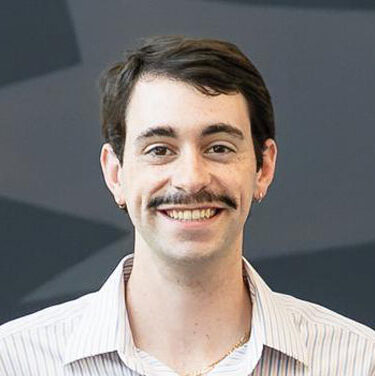
Edward Cowles
My name is Edward Cowles. I am beginning the second year of my Masters of Science in Nuclear Engineering at North Carolina State University (NCSU). I am also a fellow of the Nuclear Science and Security Consortium (NSSC).
My research involves fundamental materials engineering in the field of nuclear engineering, specifically regarding phase transformations in single crystal gallium oxide samples. During my research at NCSU, I use a variety of tools including: i) a Berkovich nanoindenter for applying force to a sample; ii) a focused ion beam (FIB) to remove areas of interest for further investigation; and iii) a transmission electron microscope (TEM) for identification of different phases present in the sample. My current work at NCSU also involves using commercially produced gallium oxide samples for indentation experiments, and then removing the indented areas with the FIB to look for polymorphic phase transformations induced via stress.
This summer, I interned at Oak Ridge National Laboratory (ORNL) under the mentorship of Dr. Xiao-Ying Yu. With Dr. Yu’s help, we validated the efficiency of a mobile mass spectroscopy experiment constructed from a vacuum chamber with a residual gas analyzer. Along with the validation of the experimental setup, I used my background in nuclear materials science to construct and test devices that may one day separate impurities from fusion reactor fuel. While I did not utilize FIB or TEM skills from my graduate schoolwork during this internship, I applied more basic laboratory skills such as thorough experimentation work, analysis of large data sets, and presentation through scientific writing. I also gained some new laboratory skills in this internship, such as an understanding of designing and printing product devices using 3D printing technology; mass spectroscopy and residual gas analysis; and MATLAB programming for data analysis. In addition, I was able to refresh old laboratory skills such as working with compressed gases and vacuum systems.
I am extremely grateful to everyone at the NSSC and ORNL for giving me this opportunity to work alongside brilliant minds and kind people. This internship allowed me to become a more well-rounded researcher and scientist, and I really enjoyed my experience in the lab. I would highly recommend both the NSSC and ORNL to anyone considering joining either.
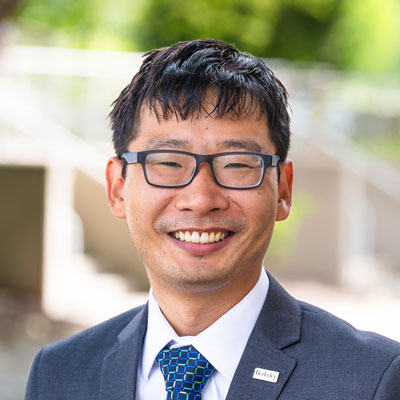
Benjamin Li
This summer I worked at Oak Ridge National Laboratory in the Nuclear Energy and Fuel Cycle Division (NEFCD) of the Fusion and Fission Energy Sciences Directorate (FFESD). As a third-year PhD student at UC Berkeley, this has been an amazing opportunity to work at the forefront of my field of computational thermal hydraulics. I am grateful to the Nuclear Science and Security Consortium (NSSC) for enabling this opportunity.
At Berkeley I research the mass transfer of a gas species from liquid coolant streams – in particular tritium extraction from molten salts. We are setting up experiments with a test loop using a common nuclear molten salt called FLiNaK. To design and validate these experiments and perform studies that would be difficult to model experimentally, we use high fidelity computational fluid dynamics. This involves a set of methods called level set methods or volume of fluid methods. These methods transport the boundary between a liquid molten salt and a sparge gas, allowing exact determination of the interfacial area as well as turbulent effects at the liquid-gas interface. These methods can also ascertain the tritium extraction rate of a particular fusion or fission reactor component much more accurately than low fidelity methods that only model average bubble sizes.
Our method at Berkeley was great for modeling the experiments at Berkeley. It was also great for the experiments we established at Argonne National Laboratory. There we measured total extraction rates or reaction rates of trace tritium in gas bubbles that were largely just the sparge gas. Since we do not model the growth or shrinkage of bubbles due to the contribution of the trace tritium, we are unable to model scenarios where there is very high concentration of the target species. For molten salt reactors, bubbles of fission gases (most prominently Xe-135) will form spontaneously with no sparging. Nor are we capable of interfacing with shadowgraphy experiments where an important metric of interest is the bubble volume over time.
With the help of the NSSC, we were able to connect and collaborate with ORNL’s Dr. Arpan Sircar (NEFCD). This collaboration has resulted in a strong partnership between Berkeley and ORNL to tackle the challenges we faced by working on a new set of equations. This work was important to ORNL which in fact was performing a shadowgraphy experiment. Through this internship, I have gained experience working with the Kokkos and Trilinos high-performance computing frameworks. I have also been able to successfully demonstrate the shrinking of a gas bubble as it rose and slowly dissolved, as well as the opposite scenario of degasification into a growing gas bubble, without the trace-species-in-another-gas assumption.
I am grateful to my mentor (Dr. Sircar), the Vertex-CFD team and the Vertex-Multiphase group at ORNL, and the organizers of the NSSC for this internship. They all have done an amazing job in getting people together to enable me to have the great research experience I had this summer.
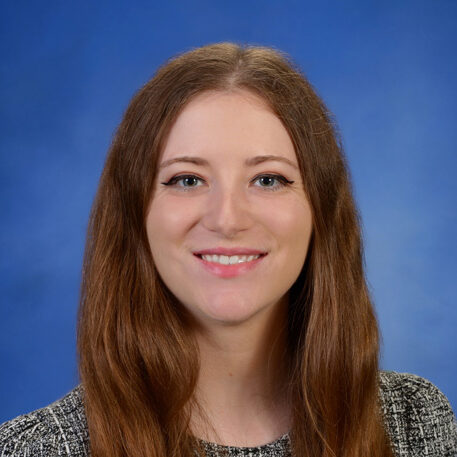
Delaney Ryan
My name is Delaney Ryan. I am a rising second year PhD student in Environmental Engineering & Earth Sciences at Clemson University. I am also a member of the Consortium for Nuclear Forensics (CNF). My dissertation research focuses broadly on topics related to radioecology, nuclear forensics, and radiochemistry.
During summer 2025, I interned at Oak Ridge National Laboratory (ORNL) under the mentorship of Dr. Benjamin Manard at the Ultra-Trace Forensics Laboratory. Dr. Manard is the Group Lead for the Chemical & Isotopic Mass Spectrometry (CIMS) Group in the Chemical Sciences Division at ORNL. Under his mentorship, I learned how to conduct experiments involving the microalgae Chlamydomonas reinhardtii and Isochrysis galbana using single cell – inductively coupled plasma – mass spectrometry (SC-ICP-MS). I have successfully detected Chlamydomonas reinhardtii cells on the SC-ICP-MS based on their carbon, manganese, and magnesium concentrations. I have imaged Chlamydomonas reinhardtii on the CIMS Scanning Electron Microscope (SEM) and have obtained images of the algae via fluorescence microscopy. I have also detected Isochrysis galbana samples on SC-ICP-MS dosed with 10 and 100 ppm uranium.
I am extremely grateful to the CNF for making this internship possible. I am also thankful to have entered such a welcoming and supportive environment within the CIMS Group. I plan to continue expanding the work we have done this summer on the ability of SC-ICP-MS to detect uranium uptake in microalgae. I would recommend an internship at ORNL for anyone who is interested in a career at a national laboratory.
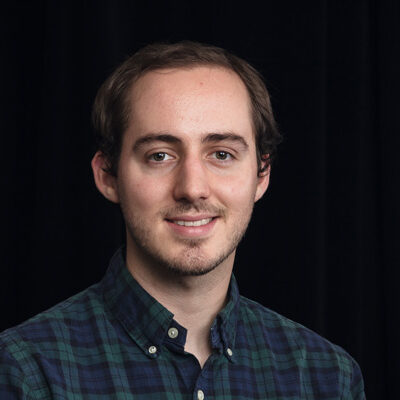
Lance Drouet
My name is Lance Drouet. I am in the fourth year of my PhD in Nuclear Engineering at The University of Tennessee, Knoxville as a fellow of the Nuclear Science and Security Consortium (NSSC).
My research spans machine learning applications, detector development, and nuclear system optimization. My M.S. work applied the Gnowee optimization algorithm to design an energy-tuning assembly for high explosives detection.
During my appointment at Oak Ridge National Laboratory (ORNL), I worked on the Coordinated Autonomous Navigable Instruments for Nuclear Emergency Search (CANINES) project. This initiative aims to enhance nuclear response and radiological source search applications by leveraging robotics, machine learning (ML), and artificial intelligence (AI). Traditional threat assessment methods are time-consuming and pose risks to personnel, whereas the CANINES project seeks to develop an autonomous radiological search capability by integrating real-time sensing, mapping, and AI-driven decision-making. My contributions focused specifically on algorithm development and implementation. The CANINES platform uses a robotic “dog” equipped with a radiation detector and contextual sensors, including LiDAR, a camera, and an inertial measurement unit. These sensors enable simultaneous localization and mapping, as well as 3D radiation mapping and imaging, allowing the system to freely navigate and optimize source search tasks.
Overall, my internship was a wonderful experience. My mentor (Dr. Kalie Knecht) was impactful and established a clear structure for my work. The broader team provided constructive feedback, technical insights, and access to necessary equipment. The research team at ORNL was exceptionally supportive, the most welcoming group I have worked with during my time at a national lab. I feel incredibly grateful for this opportunity and look forward to applying what I have learned in future endeavors.
Emma Houston
My name is Emma Houston. I am an incoming fourth year PhD candidate at the University of Tennessee. I am an affiliate of the Nuclear Science and Security Consortium (NSSC) and a Nuclear Nonproliferation and International Safeguards (NNIS) fellow. My dissertation work is on international safeguards approaches for pebble bed reactors, including simulations and experiments of neutron signatures of HALEU-based advanced fuels and modeling of reactor misuse scenarios. My internship with the Physics Division at Oak Ridge National Laboratory (ORNL) has given me invaluable skills to take with me into my dissertation research.
This summer, I worked on using time-tagged multiplicity measurements to quantify special nuclear material (SNM). By tagging interrogation neutrons, we can eliminate coincidences from a correlated background source. This study is designed to quantify SNM and verify declarations for treaty verification scenarios.
On the other hand, there are other applications for this work where there may be a high correlated neutron background. We investigated two possible detection systems: He-3 array (MC-15) and organic scintillators. Both detection systems offer different advantages that may be preferred for various use-cases. With the MC-15s, we completed four experimental campaigns measuring depleted uranium, steel, and taking an active background. We measured with combinations of two different geometries and with the presence of an external correlated background source. We found that it was challenging to identify triple coincidences with depleted uranium but items that have a higher multiplication may be easier to identify.
I am incredibly grateful for the mentorship of Dr. David Mathews, Dr. Matthew Heath, Dr. Frank Gonzalez, and Dr. Paul Hausladen who provided me a great experience at ORNL. Through this internship, I have gained experience in data analysis methods for multiplicity measurements, experimental set-up for various detectors (CeBr, organic scintillators, and He-3), and learned more about experimental considerations for treaty verification scenarios. I know these skills will prove to be invaluable for the remainder of graduate school and beyond.
Ousmane Ndiaye
My name is Ousmane Ndiaye. I am halfway through my second year as a PhD student at the University of Illinois Urbana-Champaign (UIUC). I am pursuing a PhD in nuclear engineering with a focus on structural materials. I am also a fellow in the Nuclear Science and Security Consortium (NSSC).
My research is related to additive manufacturing (AM) of nuclear materials. I am studying how process parameters (such as laser powder, scan speed, and powder composition) may affect the microstructure and mechanical properties of materials. Process parameters may also affect a material’s response to heat flux and to radiation to make the material more susceptible to recrystallization or delaying grain growth. A particular material of interest for my research is laser powder bed fusion (LPBF) 316H .316H which is a stainless steel (SS) that is used as a structural material in nuclear reactors.
During the summer 2024, I interned at ORNL under the mentorship of Dr. Tim Graening Seibert in the Advanced Nuclear Materials Group in the Materials Sciences & Technology Division. Dr. Seibert and I worked on high temperature tensile testing of Tungsten-Rhenium alloys that were printed from an electron beam melting printer.
The internship taught me how to perform high temperature testing and how to derive correlation between microstructure and mechanical properties. I also learned how process parameters can affect mechanical properties for printed refractory metals.
My internship at ORNL has provided me with the opportunity to learn from world class scientists and leaders. I also had the opportunity to tour world class facilities at ORNL such as the High Flux Isotope Reactor (HFIR), the Manufacturing Demonstration Facility (MDF), and the Spallation Neutron Source (SNS). I was able to network with potential collaborators on work that may provide data for my PhD research. Through the mentorship with Dr. Seibert, I was able to enhance my skills as a researcher in terms of developing research proposals, conducting data analysis, and giving technical presentations. ORNL has motivated me to become a researcher; and to strive to be on the cutting edge of structural materials for fusion and fission reactors.
Alec Pfundheller
My name is Alec Pfundheller. I am finishing the third year of my PhD in Nuclear Engineering at Texas A&M University. I am also a fellow of the Enabling Technologies and Innovation Consortium (ETI).
My research concerns the radiation response of additively manufactured (AM) 316L stainless steel. This involves the use of advanced microscopy techniques including Scanning Electron Microscopy (SEM), Electron Backscatter Diffraction (EBSD), Micropillar Compression, and Transmission Electron Microscopy (TEM). Currently, I am conducting research into ion irradiated AM 316L stainless steel’s response to cross-sectional micropillar compression throughout regions with differing printing laser wattage. This will allow us to create multiple stress vs. strain curves throughout irradiated and unirradiated regions of the sample. After preliminary analysis of void induced swelling of AM and wrought 316L stainless steel, I plan to investigate the damage and dislocations created by the irradiation using flash etching, and TEM microscopy.
This summer, I interned at ORNL under the mentorship of Dr. Stephen Taller in the Nuclear Fuel Cycle Engineering Division. Together, we examined the differences between radiation induced microstructures in AM type 316 stainless steels from either ions or neutrons to inform physics-based modeling of how features specific to the fabrication process impact their evolution. Similar techniques to my PhD research were utilized, primarily TEM microscopy at the LAMDA laboratory at ORNL. Through this internship, I gained insight into troubleshooting hardware and software issues involving the TEM microscope as well as invaluable experience and knowledge of imaging dislocations and oxides that will benefit the ETI and DOE-NE AMMT projects, and my dissertation research.
I am extremely grateful to the DNN ETI Consortium and the research staff at ORNL for making my internship possible. It has allowed me to interact with the nation’s leading experts in nuclear engineering and radiation materials science and has provided me with the knowledge and skills that will surely contribute to my dissertation. Overall, I enjoyed this experience very much and would recommend an internship at ORNL to anyone who is considering a career in a national laboratory.
Shae Cole
My name is Shae Cole. I am a second-year graduate student at Georgia Institute of Technology under the advisement of Dr. Anna Erickson. My thesis research involves fabrication and characterization of organic based semiconductors for radiation detection and degradation.
I have had the honor of interning at ORNL for the summer of 2024 under the advisement of Nathan Rowe in the Verification Technology Group of the Nuclear Nonproliferation Division. My research involved creating and printing tamper detection devices. During my time at ORNL I have been able to attend many seminars, talks, workshops, and presentations. I was able to tour the Spallation Neutron Source and the National Transportation Research Center. The expert advice and mentorship have helped me get a new perspective on the national labs as well as my academic research.
Francisco Gonzalez-Castillo
My name is Francisco Gonzalez-Castillo. I am a 4th Year PhD student at the University of Texas at Austin working under the advice of Dr. Derek Haas. My research focuses on designing and developing additive manufacturing systems for applications in nuclear safeguards.
I was privileged to spend my summer at Oak Ridge National Laboratory (ORNL) where I worked on developing nuclear safeguard technologies with the Verification Technologies Group in the Nuclear Nonproliferation Division. My mentor, Nathan Rowe, enabled me to work on exciting projects within the group while keeping up with my academic research. The internship gave me valuable insights and plenty of hands-on experience that has shaped my understanding of what it means to be a researcher.
Joel Castillo
My name is Joel Castillo. I am a sixth year PhD student in Radiochemistry at the University of Nevada, Las Vegas (UNLV). For my PhD dissertation, I am studying the speciation of actinides in acidic media extracted into organic media with organophosphorus and/or diglycolamide ligands.
During summer 2024, I was an intern at ORNL. I worked in the Physics Division of the Physical Sciences Directorate. I was assigned to the Neutrino Research Group under Dr. Jason Newby as my supervisor and with Dr. Chong-Hang Yu as my mentor. For my internship, I am experimenting with 3D printing and liquid resin synthesis as a means for producing ultra-low background plastics. These plastics should have the durability and light-transmission properties necessary to be able to encapsulate the central Ge-76 source in the LEGEND-1000 project. This project is a massive collaboration that will ultimately enable the detection of neutrinoless double beta decay.
Because of this internship experience at ORNL, I have been able to participate in several seminars, even on subjects not related to my own field of research. Additionally, I have been fortunate to tour the Spallation Neutron Source (SNS) with other interns as well as explore different areas of ORNL to really get a taste of the astounding breadth of work being done at ORNL. As a result of one of the talks I attended, I got to email the presenter and she was able to connect me to neutron scattering scientists at SNS. We scheduled time for me to visit their offices and receive consultation on how I might apply neutron analytical techniques to my own graduate studies at UNLV. This prompted a good discussion about capabilities at SNS and opened the door to future collaborations. Finally, the internship has given me the opportunity to work and to interact with several post-docs and other graduate students across the Physical Sciences Directorate.
Lavanya Upadhyaya
My name is Lavanya Upadhyaya, and I am a nuclear engineering PhD student at Texas A&M University (TAMU). I have a graduate fellowship in the Nuclear Science and Security Consortium (NSSC).
My graduate research focuses on the interactions between structural alloys and fuel salt in molten salt reactors (MSRs) to determine corrosion-resistant high-temperature structural alloys. I tested and analyzed six candidate alloys for MSRs before and after exposure to FLiNaK (LiF-KF-NaF) molten salt at reactor-grade conditions. Structural changes were examined for each metal using multiple techniques. These analyses focus on chromium (Cr) dissolution through the grain boundaries, which presents failure mechanisms for materials during reactor operation. More in-situ corrosion testing and further study will be completed.
During the summer of 2024, I completed a 10-week internship at ORNL in the Nuclear Nonproliferation Division under the mentorship of Dr. Sunil Chirayath. For my project, I applied proliferation resistance (PR) methodologies to various reactor types to perform a thorough systems analysis. My research tasks included 1) an in-depth literature review of PR and fuel cycle methodologies and 2) the calculation of eight attributes to determine the intrinsic PR at each stage of the fuel cycle for two reactor types: Pressurized Heavy Water Reactor (PHWR) and Light Water Reactor (LWR). The PR was evaluated using the Proliferation Resistance Analysis and Evaluation Tool for Observed Risk (PRAETOR) framework. This comprehensive analysis included plotting the data to show any vulnerabilities in the fuel cycles at each stage.
Apart from my internship, I participated in opportunities to enhance my knowledge and skills. I engaged in short courses on nuclear nonproliferation and Python for beginners. Moreover, I attended professional development talks from early career scientists who shared their journeys and research activities. I also had the privilege to tour multiple facilities and labs, including HFIR, SNS, MDF, REDC, the Safeguards Security Lab, and the GRID-C Facility. Lastly, I attended the Institute of Nuclear Materials Management (INMM) Conference in July 2024 with my advisor, which was a great learning experience.
My experience at ORNL was valuable due to my engagement in a new research project and the opportunities that encouraged professional and personal growth. The time I received to network with various staff scientists across ORNL has the potential to open doors for future collaborations and career growth. I recommend this experience to my peers and encourage them to be passionate and interested in science!
Rebecca Manns
My name is Rebecca Manns. I am a third-year radiochemistry doctoral student at the University of Nevada, Las Vegas, and an affiliate of the Nuclear Science and Security Consortium (NSSC).
My research includes the examination of fuel cladding chemical interactions (FCCI) between ceramic fuels, such as UO2 and doped-UO2, and cladding materials, such as Zircaloy and FeCrAl, using the diffusion couple technique. These FCCIs can form different chemical species at the increased temperatures seen in off-normal reactor conditions which can affect the integrity of the fuel assemblies. Knowledge of how the interaction zones form these species is crucial for approving new fuels and cladding materials; and is also of particular importance to nuclear forensics.
During summer 2024, I was an intern at ORNL working alongside my mentor, Toya Beiswenger. My internship research objectives were to: 1) examine the influence of the order of analytical tools on sample analysis results, and; 2) examine potential distortions in the spectral analysis of smaller particles relative to macroscopic particles of uranium chemistries. These research objectives were addressed by examining three different particle sizes (6 μm, 10 μm, and 25 μm) of four different uranium chemistries (U3O8, Studtite, UO2, and UO3) using scanning electron microscopy (SEM) and Raman spectroscopy. Two different workflows were established to examine the influence of the SEM and Raman techniques on the spectral analysis of these uranium chemistries at the determined particle sizes. This internship will result in publishing a paper to summarize the research findings, and a presentation (along with my mentor) to the radiochemistry department at UNLV.
Through the ORNL internship, I was able to participate in professional development activities as well as tour several ORNL research facilities. The professional development activities included guidelines on how to build a better resume and how to format digital information. I also attended talks from early career scientists who shared their journeys and their research activities. Facilities tours included HFIR, SNS, and MDF where I got to see more of the exciting science taking place at ORNL.
My ORNL experience has been very rewarding. There is not much that I would change. The arranged talks and tours were informative, and there were many opportunities for networking. Overall, this was a very rewarding experience. I would recommend interning at ORNL to any graduate student considering a career at ORNL.
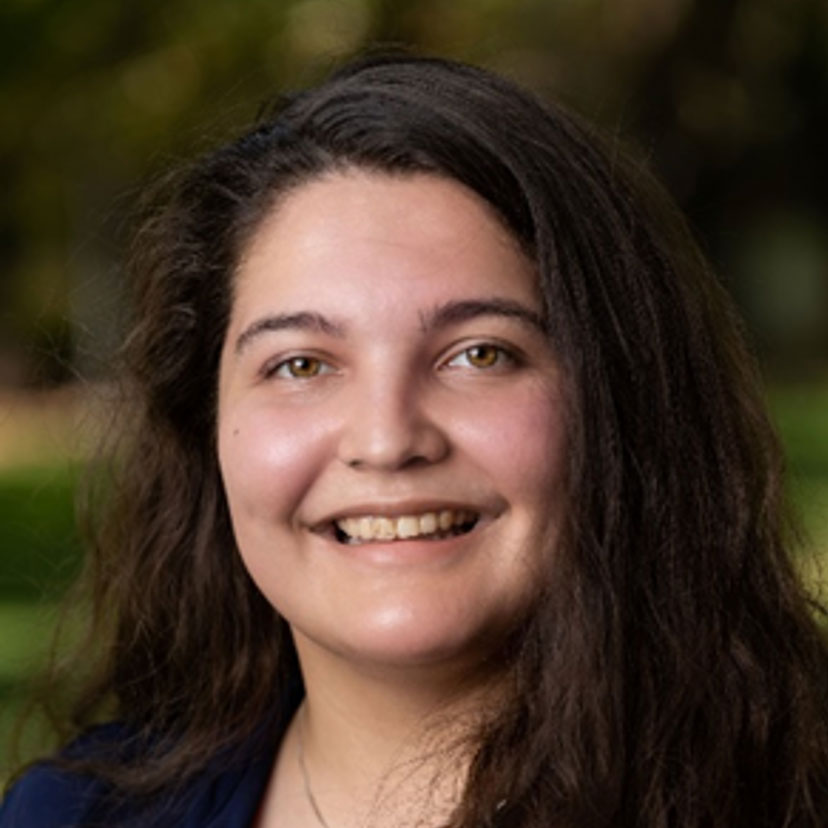
Josephine Libero
As an NNSC fellow and PhD candidate at the University of Nevada, Las Vegas I perform an experimental investigation of phase equilibria, thermodynamics and intermetallic species in technetium-actinide binary systems. In this work I produce metallic samples such as diffusion couples and equilibrated alloys and then characterize them using electron microscopy techniques, diffraction, and a physical properties measurement system.
My goal for summer 2024 was to expand the breadth of my electron microscopy experience by learning techniques unavailable at UNLV such as focused ion beam (FIB) and transmission electron microcopy (TEM). My experience and goals matched me with ORNL’s Chad Parish and Zach Brubaker. This summer I had the opportunity to intern at ORNL in the Nuclear Energy Materials Microanalysis Group under Chad Parish as part of a collaboration with the Nuclear Nonproliferation Division. My work involved creating a workflow for microanalysis of samples by testing mounting techniques to find one with sufficient robustness for atomic force microscopy (AFM) testing. This work allowed me to learn a new skill, FIB sample preparation, and to observe/assist with many new techniques such as TEM, transmission Kikuchi diffraction (TKD), and AFM.
Additionally, the internship gave me an opportunity to tour many ORNL facilities including the Spallation Neutron Source (SNS), the High Flux Isotope Reactor (HFIR), and the Manufacturing Demonstration Facility (MDF). I was able to attend an experiment at a user facility with Zach Brubaker and observe the set-up process for testing at the ARCS beam line at SNS.
Finally, I was able to make connections and network with a range of scientists and interns at ORNL this summer. The mentorship I received will impact my future, and I have gained many skills to take with me to further my research.
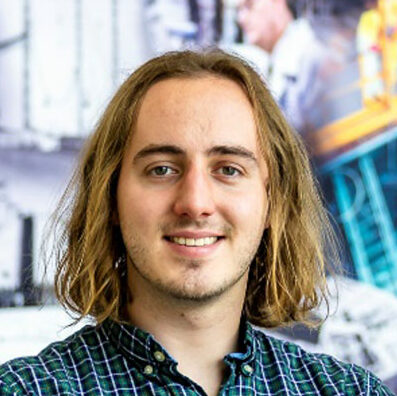
Lance Drouet
My name is Lance Drouet. I am a fellow of the Nuclear Science and Security Consortium (NSSC) and a Ph.D. student in Nuclear Engineering at the University of Tennessee, Knoxville. My doctoral research is focused on investigating the use of Artificial intelligence (AI) and Machine learning (ML) techniques on nuclear data and data generated from simulated low-fidelity models to improve the optimization of nuclear system design.
During the summer of 2023, I interned at ORNL under the mentorship of Dr. Rike Bostelmann. While at ORNL this summer, I was given the opportunity to work with the developers of SCALE (Standardized Computer Analysis for Licensing Evaluation), which is a comprehensive modeling and simulation (M & S) suite for nuclear safety analysis and design; and which has been developed and maintained by ORNL under contract with the U.S. Nuclear Regulatory Commission, U.S. Department of Energy, and the National Nuclear Security Administration. The tool performs reactor physics, criticality safety, radiation shielding, and spent fuel characterization for nuclear facilities and transportation/storage package designs to quantify the effects of nuclear data uncertainties on spent fuel metrics. I was fortunate to work directly with the SCALE developers to improve the end-user experience and, in the process, observe firsthand the software development life cycle for this major M & S suite of tools.
My internship at ORNL has contributed to my doctoral research by connecting the concept of nuclear data uncertainties, uncertainty quantification (UQ) in M&S, and the importance of these metrics towards real applications. I found ORNL’s diverse and welcoming environment to be instantly conducive to nurturing my curiosity, technical capabilities, and personal growth. The connections and knowledge I have gained throughout the summer have built my confidence in my career prospects and in continuing my Ph.D. research.
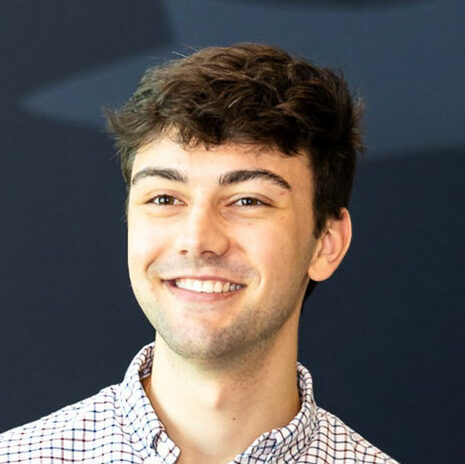
Brad Nethercutt
I am currently a PhD candidate in nuclear engineering at Penn State University and have been a member of the Monitoring Technologies and Verification (MTV) Consortium since 2021. My thesis research focuses on utilizing an epithermal neutron chopper system at the Penn State Breazeale Reactor to identify new signatures for nuclear forensic characterization through neutron activation analysis.
As an ORNL intern during the summer of 2023, I worked under Dr. Vincent Jodoin within the Incident Modeling and Computational Sciences Group on a verification and validation effort of Water Surface Burst, a nuclear fallout simulation code. Before this internship, I had very little introduction to the post-detonation side of nuclear forensics. Now, having hands-on experience using several tools developed at ORNL in pursuit of the NNSA’s nuclear forensics missions, I can say that this experience has uniquely broadened my knowledge of the field.
My internship provided a great opportunity to network with ORNL scientists and get their insight on their career paths and what drew them to Oak Ridge. Everyone I spoke to was eager to answer my questions. I was very impressed by the breadth of work being done at ORNL, both within the Nuclear Nonproliferation Division and elsewhere. As I look beyond graduation, I am excited by the prospect of returning to ORNL to begin a career in nuclear forensics.
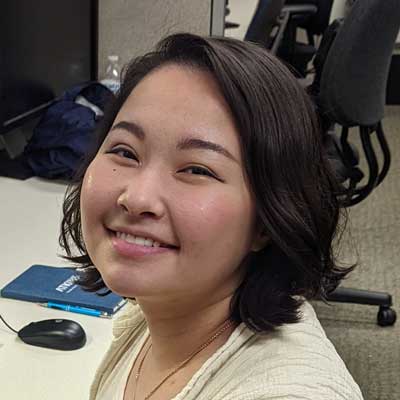
Dinara Ermakova – UC Berkeley PhD Student (NSSC Fellow)
During the summer 2022, Dinara interned in the ORNL Nuclear Energy and Fuel Cycle Division working under Drs. Andrew Worrall and Jin Whan Bae. Dinara’s research was focused on the electricity generation sector which is responsible for 25% of the world’s greenhouse gas (GHG) emissions and thus has been the focus of efforts to transition to clean energy and sustainable development in many nations. According to Dinara’s research, the rapid development of renewable energy sources and technologies will require an enormous amount of raw materials to replace coal and gas plants and increase in the capacity to handle growing electricity demand because renewable energy sources have a low-power density and intermittent behavior. During her internship, she was explored the opportunity for remining abandoned mines waste as a way to satisfy demand, facilitate cleanup activities, and engage local communities. The results of her work will be published in a technical report. In addition, Dinara was able to work on her dissertation project, assessing the material demand for the projected transition and its transportation carbon footprint. Apart from work, Dinara says, she that her internship provided the opportunity to meet “many brilliant people and make friends at the Lab.